More Self-Deprecating Comments Than I Expected For A Not Terribly Long Write Up On Fictional Welsh Drug Users
by Silence Do_nothing
One of the casualties from being a weird dude is any expectation of finding relatable movie characters. But since there's no one more relatable to myself than me, and I already have that material covered, it's no more lamentable a loss than the Denver Nuggets' of Carmello Anthnony. It's when the core of the film expects and depends on a familiarity with the unfamiliar that it becomes a problem.
It may be that Human Traffic is cinema's most authentic depiction of college-aged ecstasy using night clubbers in late 90s Wales. I'm unable to say, because I've never taken drugs or even come within a thousand feet of a nightclub. Not that there's a restraining order requiring that distance due to some irrational unprovoked vendetta from the nightclub industry. I just dislike crowds and can't dance (instead of the standard two left feet, I was upgraded to the deluxe package, which functions as if the left and right are switched and that tethered to the feet are invisible marionette strings controlled by the nerve damaged hands of an energy drink addicted mad wizard who, for some arcane reason- we lesser beings ought not to attempt divining the thoughts and motives of those who have traversed the higher planes of existence- has the beat of one song piped in one ear and a completely different one into the other. It's not a matter of merely having no rhythm, but being so rhythm deficient that I could leisurely stroll the dunes of Arrakis for weeks without the slightest worry of attack from a sandworm drawn to the surface by the rhytmic vibrations of walking).
Besides being party-happy youth who look to drugs to escape weekday drudgery, there's not much to the five friends. That's probably why the filmmakers tried to address the depth they lacked in the story by opening with Jip, the lead, narrating character profiles over a montage of them.
Jip is an unhappy retail clothing clerk afflicted with impotency issues (possibly drug related). Nina hates her fast food job. Moff feels stifled living at home. Koop, a wannabe DJ, seems to genuinely enjoy working at a record store. Other than being there to help Jip overcome his impotency, Lulu just seems to be there. Their weekday situation is presented as dreary to garner sympathy for the need to cut loose on the weekend, but they didn't seem so unfortunate to me.
Not to sound too sanctimonious, but they would probably be more thankful if they had access to Mike Rowe's Dirty Jobs (2005- ) show. It's hard to watch a couple episodes of that and avoid thinking that things aren't so bad as long as your job isn't back-braking or dangerous or involve fecal matter of some kind.
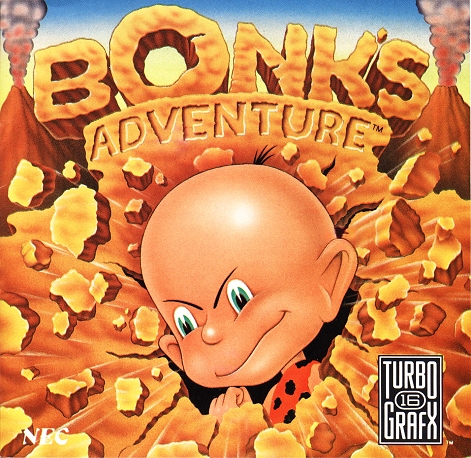
A current of cynicism and angst runs through the movie, but I didn't agree with most of the complaints. Like when Jip fantasizes what he would say to an acquaintance he doesn't care for if he weren't bound by politeness. As long as another is willing to extend the courtesy, I have no problem reciprocating. It's in the face of belligerence that I find it physically impossible to hide the scowl on the vast Texas sized canvas that is my forehead (I don't care about the unbeatable aura of MMA fighter Jon Jones or my complete lack of training or cardiovascular conditioning or that I've never been in a fight in my adult life. If the UFC were to return to its old rules which allowed headbutting, Vegas would have me as a 2-1 favorite to take the champ's belt. Collisions with my Bonk-esque head have been known to tear open rifts to parallel worlds).
Despite their gripes, the first third of the movie was easily the most entertaining portion. Employees absorbing flak from their boss, even if they don't have the greatest attitude and the job's not coal-mining tough, are something to root for. There was a manic energy to the fantasy sequences which showed their wishes and impressions. Actions were grotesquely exaggerated, but not to the point where they became obnoxious eyesores that made you want to immediately
watch something else, a tightrope which Tim and Eric, Awesome Show, Great Job! (2007- ) falls from ninety-nine times out of a hundred (unflattering extreme close-ups of dishes of food and mouths chewing, accompanied by unappetizing sounds, relinquishes much of its potency to satirize modern consumer society when the mind has access to starvation images of emaciated people too weakened from malnutrition to swat away flies).
The movie loses its fun when the characters gain theirs. Gone are scenes of the somewhat downtrodden worker. In its place are people hanging out, taking ecstasy, and laughing at stuff which only an altered state of mind can find the funniest thing in the world.
Some of the downside of the drug is shown in the lethargy that follows when the high wears off, but overall it is presented as fairly innocuous. They are expected to outgrow it. Doubtless there are people who can handle their drugs and don't destroy themselves, but to the extent that the actions are presented as merely not-so-serious indiscretions of youth, it loses dramatic interest. Drug abuse television documentary program Intervention (2005- ) is so powerful, besides its dealing with real people, because it shows the damage to addicts and loved ones. Functional drug users don't have the same emotional punch. They might as well be seen enjoying a night of bowling.
I didn't buy into the movie's attempt to make ecstasy into something more than a cheap thrill. With a heavenly glowing white background serving as a backdrop, Jip narrated the blissful effects of an ecstasy high. It evidently produces a feeling of connectedness with everyone. I resent counterculture's traditional simultaneous embrace of recreational drug use with one arm while the other groin punches consumerism. Because buying electronics or jewelry or sports cars to feel good is materialistic and shallow, but purchasing drugs somehow transforms that desire into a quasi-spiritual experience. I'd wager that if it weren't accompanied by intense physical pleasure, the feeling of connection would be received as a suffocating overconnectivity instead of as a liberating tonic against alienation.
This could be nitpicking on my part, but the nightclub failed to live up to the grandeur I was led to expect from their fevered anticipation of it. It looked like a cheaply decorated soundstage. The posters which blanketed Moff's bedroom probably cost the production more. Maybe cheap looking interiors aren't that unusual for real nightclubs, but it's a letdown for the viewer. It's like in a cheesy 80s movie where there's a fictional rock band that all the characters are going on about how "They're the coolest!" and that "Everyone is just dying to get tickets to the big show!" and then the band plays at the end and it's so pitiful and lame that you feel embarrassed to watch it, even if no one else is around.
The one highlight from the drug fueled portion of the movie was a mildly amusing conversation between Moff and another party-goer about the supposed drug culture of the Star Wars (1977-1983) original trilogy (Human Traffic is set before the prequels). It's doubtful someone not a sucker for any kind of Star Wars reference would find this as entertaining.
The closest I can come to recommending it is as the movie about UK drugies which doesn't require subtitles (it was a good 25 minutes of listening to the accent in Trainspotting (1996) before I could make out more than every other word. I've often wondered if an American accent is as difficult for foreigners to understand. Based on the saturation of American media, I'm guessing it's not).
More familiarity with drug culture than what I have is probably needed to fully enjoy Human Traffic's characterizations. I don't see myself entering a vantage point of greater appreciation anytime soon. I could point to my liking the Epicurean notion of pleasure, that of being the absence of pain, as disqualifying drugs, with all its physical and emotional baggage. Or I could cite my desire to avoid stuff that screws with the mind (not that mine is some great national treasure, but, for good or bad, it is who I am). What clinches my unapologetically square lifestyle is my inability to imagine that, when I'm on my deathbed, thinking of the presumably many things I will have wished to have done differently, that abstaining from illicit drug use will come within light-years of my galaxy of regrets. Unless, of course, the previously mentioned wizard is powerful enough to manifest in the real world from the realm of metaphors and attaches his magical marionette strings to my mind to force the thought of "Oh, if only I'd done ecstasy." Jeez, what did I ever do to him?